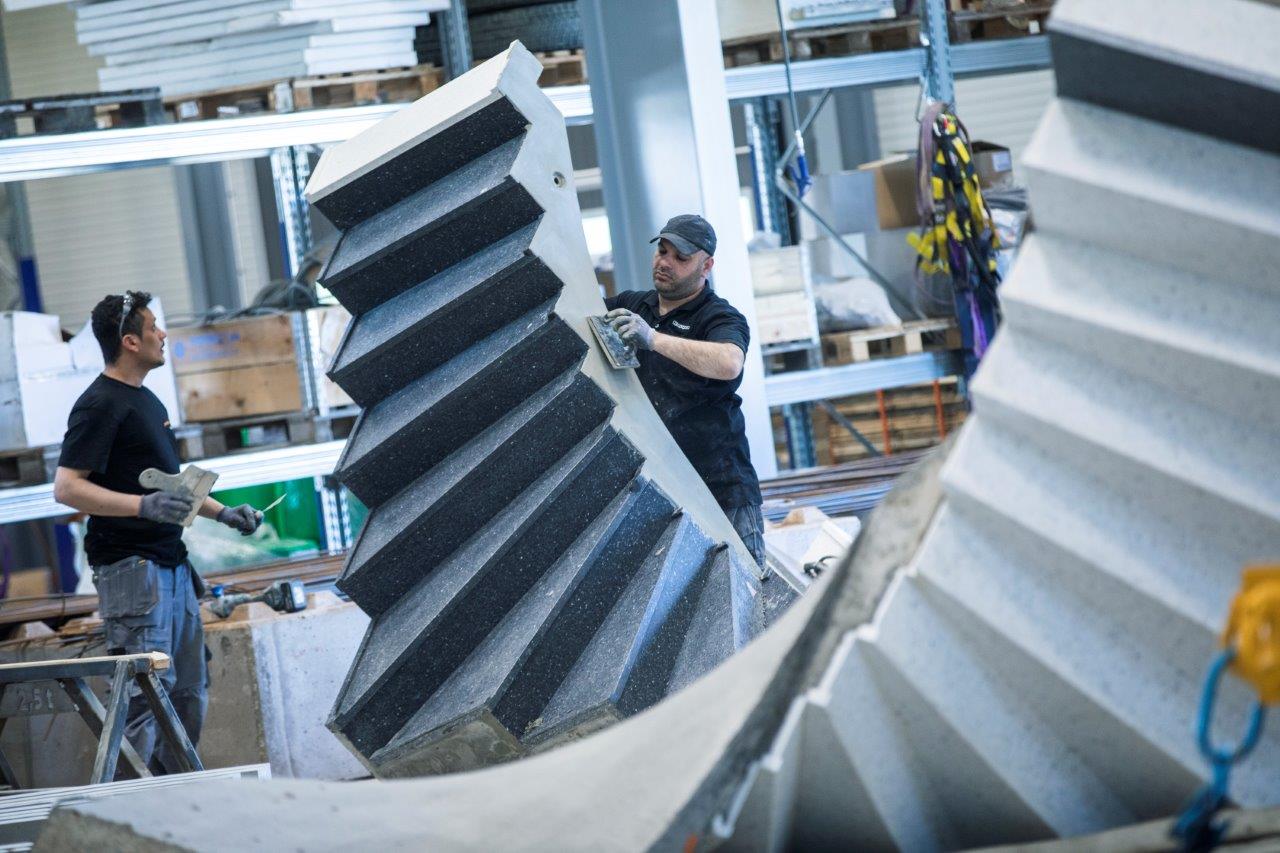
The story includes the creation of Europe's leading architecture and technology consultancy, with a place on the Stockholm Stock Exchange's list of major companies. Skirner's past and present are merged with the engineering company Sweco through Gunnar Nordström (1929–2017), who founded both companies.
However, Gunnar's social influence extends far beyond the boundaries of individual companies and the business community.
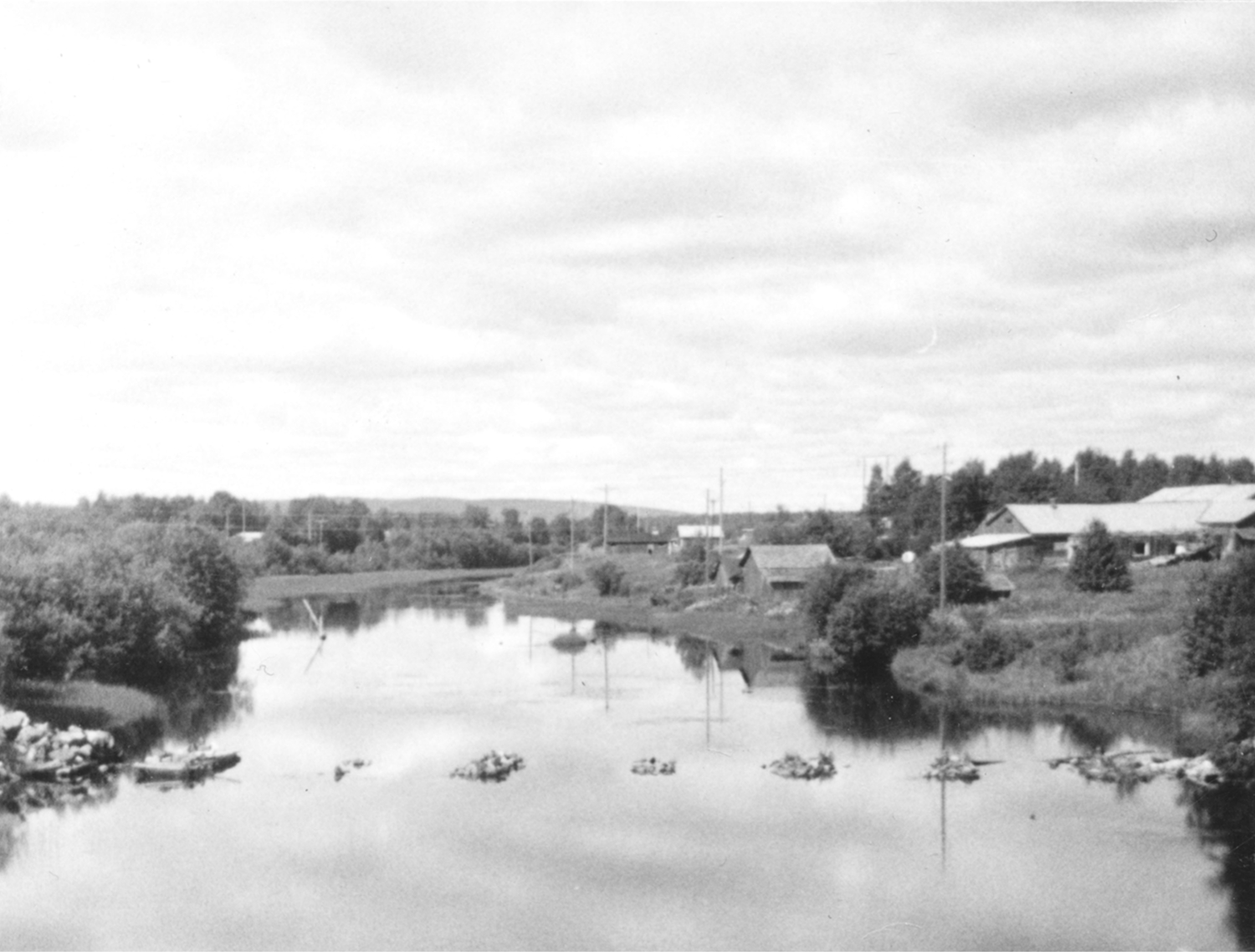
Although the Nordström family eventually becomes more important in the development of modern Norrland and later also in the development of Sweden and Europe, it all starts on a small scale with an agricultural and agricultural farm that they run in the 19th century.
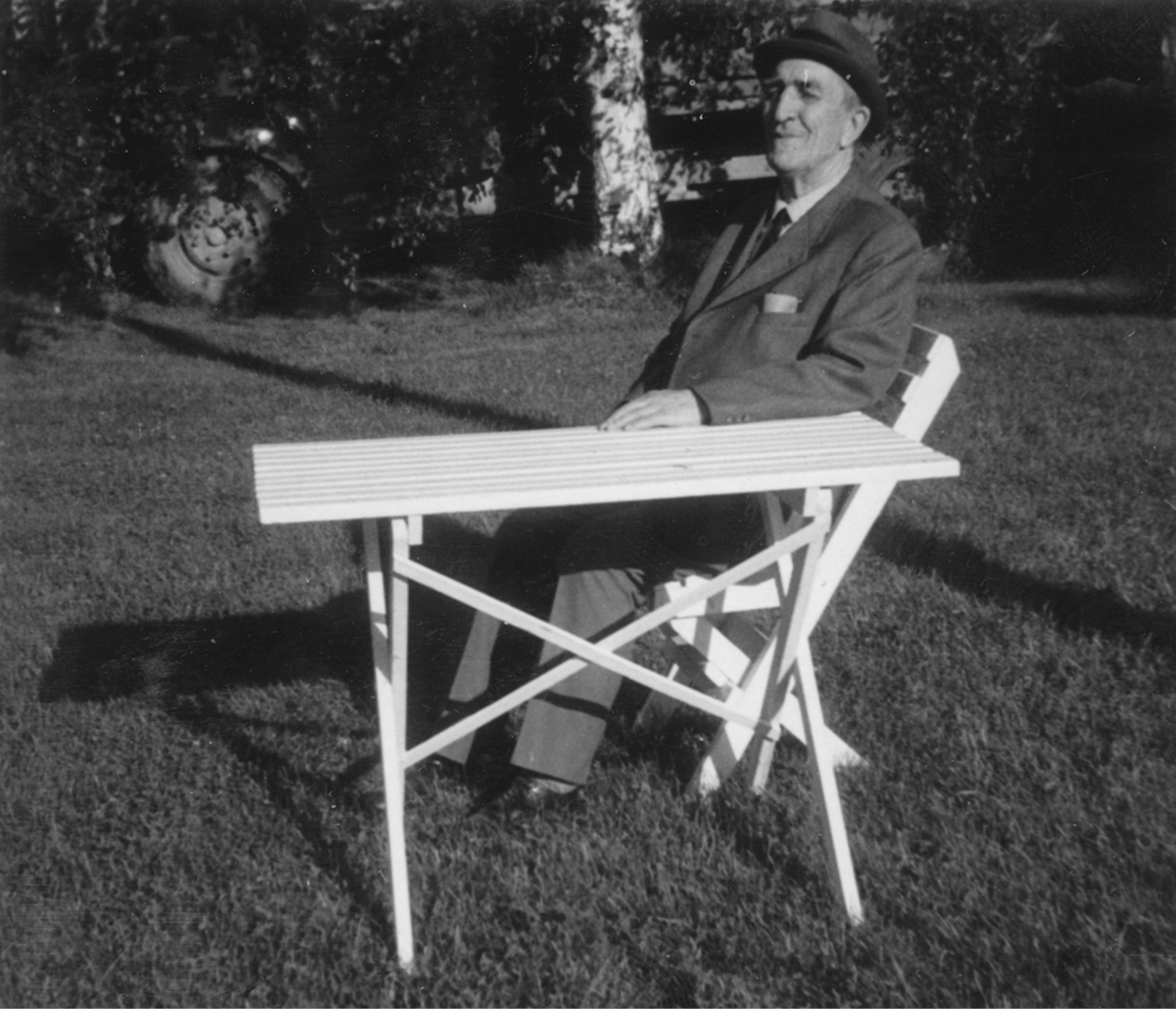
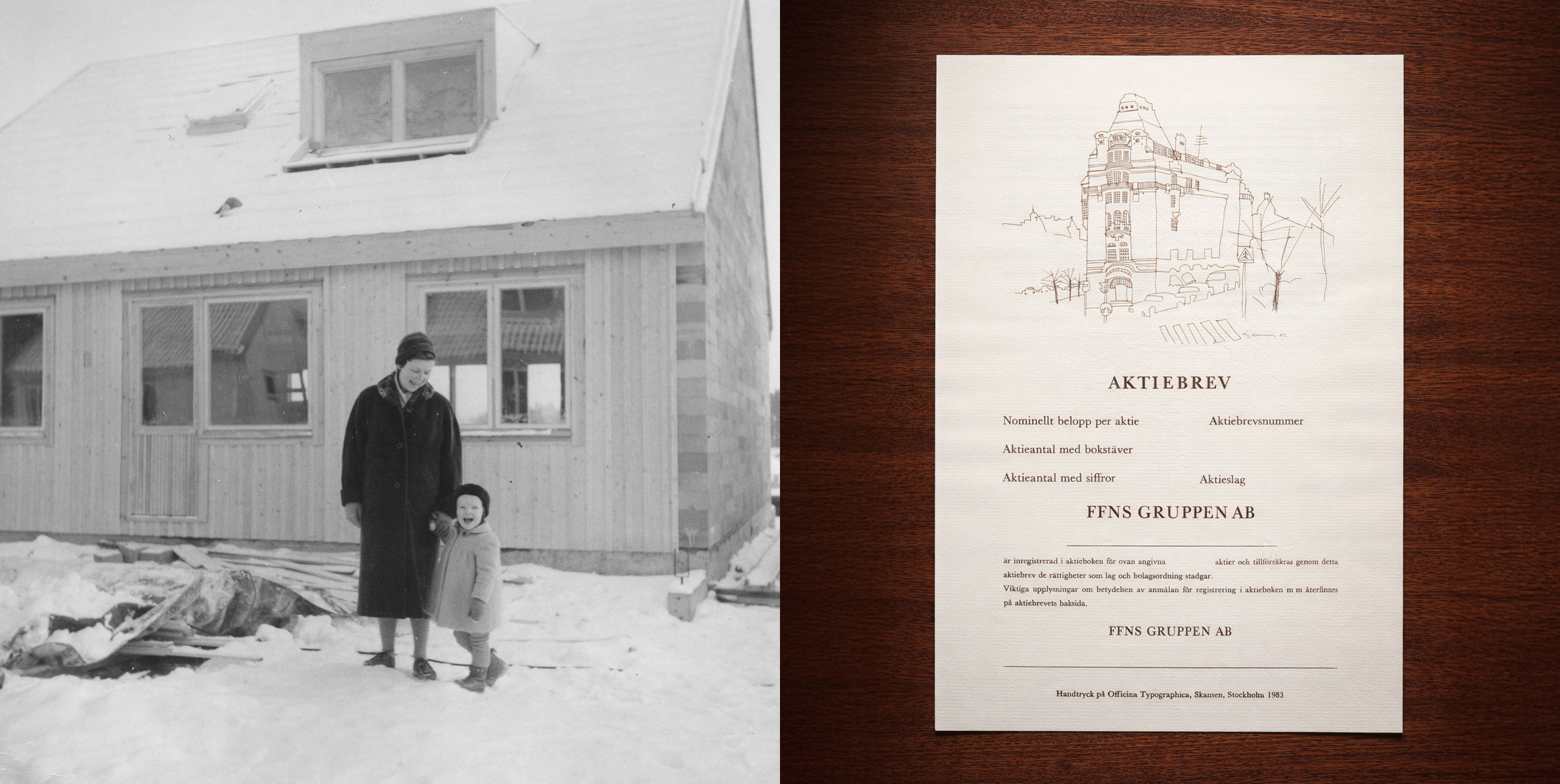
A decisive step was taken by Gunnar's father, Albin Nordström (1895–1976), when he further developed forestry and saw it left behind by his father Erik Nordström. In the following years the business broadened, and in 1928 Albin takes the next step by starting a construction business that will have a central role in Boden's emergence as an industrial and defence town. In the long run – through his son, who was born the following year – this also takes on a wider significance: the business Albin builds up lays the foundation for the construction company that erects many of the buildings that still characterize Constance today.
Gunnar Nordström is one of the most central figures in Skirner's history. He grew up in pre-war Boden in a home marked by faith in the future, innovation and creativity. Through his father's enterprise as a builder, he came into contact early with ideas and people that shaped his view of work, responsibility and opportunity.
Through his father's activities, Gunnar also met architects – including Carl Nyrén – which aroused an ambition to apply himself to the School of Architecture in Stockholm and later also to Konstfack. After a few years in the profession, he made the leap from internship to entrepreneurship. In 1958 he co-founded the architectural office FFNS together with Bertil Falck, Carl-Erik Fogelvik and Erik Smas. It laid the foundations for a knowledge-driven approach that would eventually make a big impact in the industry.
Gunnar's business was based on a few clear principles: to always start from the customer, to dare to think about growth and to see investing in people as a strategic core – not a side issue. Equally important was his instinct for collaboration: to seek partnerships across borders, across disciplines and geographies, and to build organizations that can grow without losing quality. When FFNS later acquired the Water Construction Agency (VBB), the business was broadened with new capabilities and a common scale that opened the door to larger assignments, more disciplines and a clearer overall offering. Through the merger, the combined company adopted the Sweco name in 1997 – a company that fundamentally helped transform its industry and set a new standard for what a modern knowledge company can be.
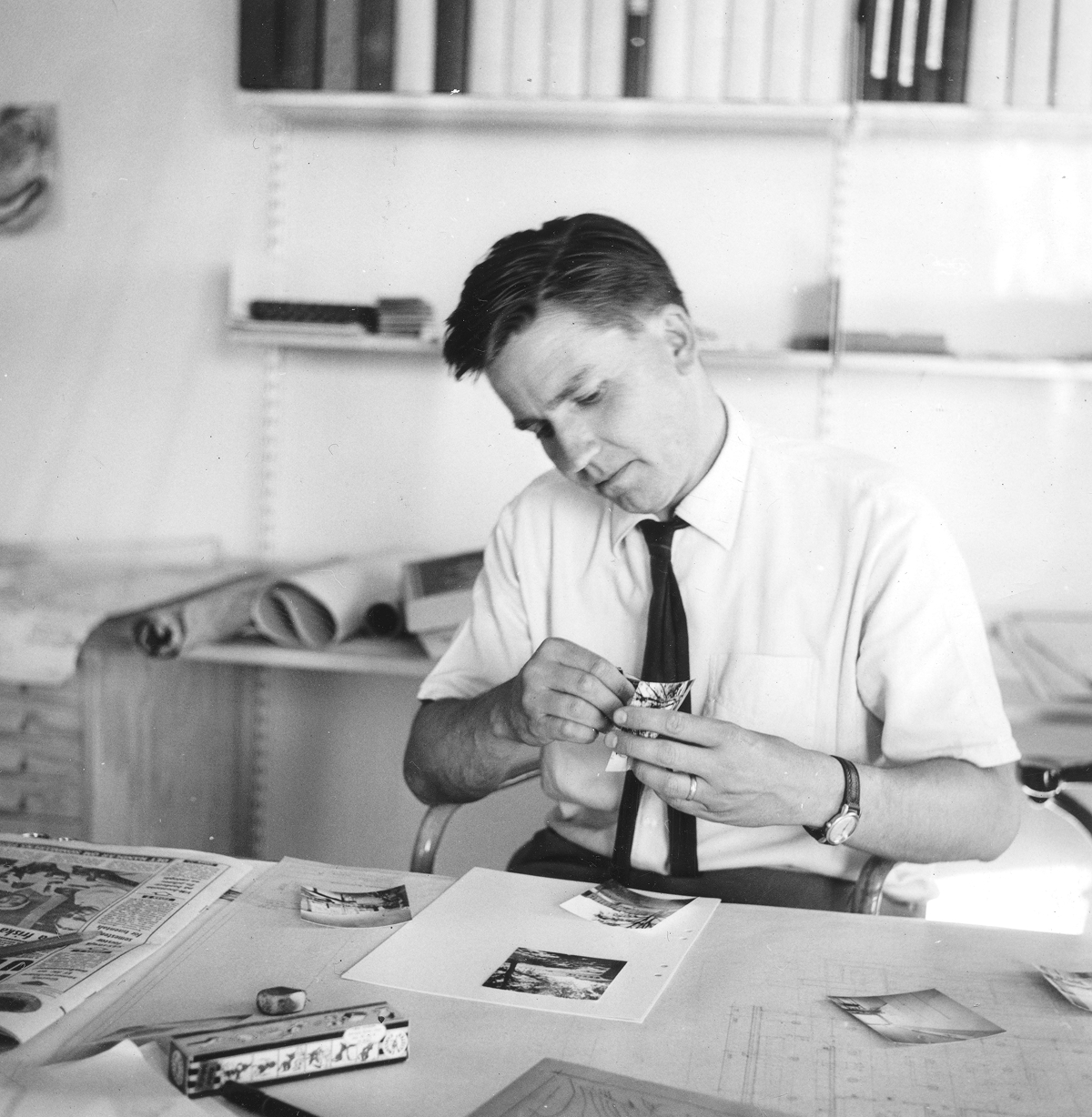
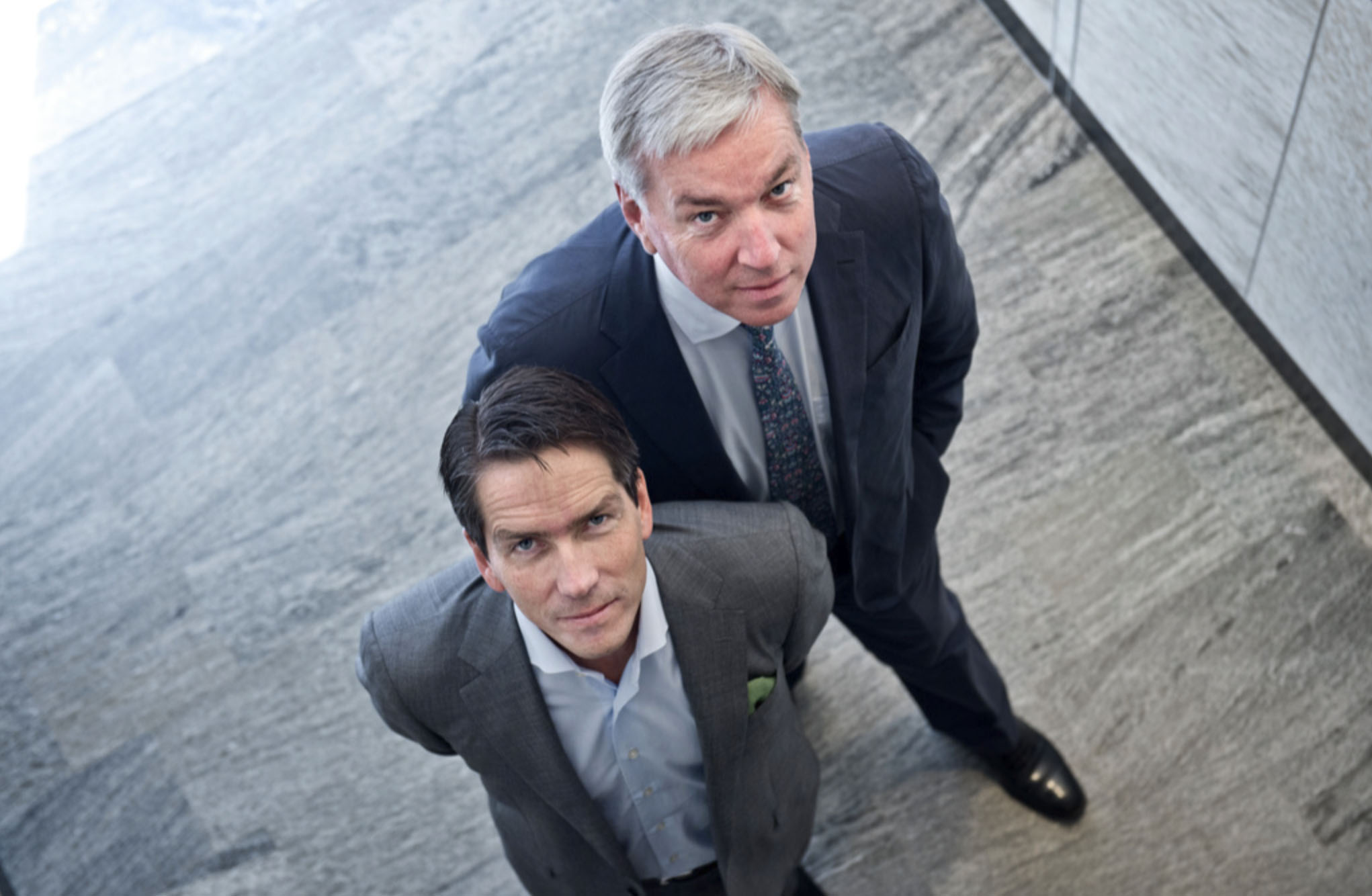
At the same time, Sweco continued to be the family's most important building company – and remains at the core of Skirner's corporate commitment. At this time Gunnar Nordström was active as Chairman of the Board of Sweco. Subsequently, the presidency has been passed on in unbroken succession: first to Olle Nordström and later to Johan Nordström.
In parallel with his involvement with Skirner, Olle had a key role in the operational company building that laid the foundation for Sweco. As CEO of FFNS, in the 1990s he managed the merger with VBB – a crucial step in the journey that later took shape as Sweco.
In parallel, Johan Skirner built as an ownership platform and was CEO from the start for close to three decades. When he recently handed over CEO responsibilities to Skirner's first external CEO, Pär Warnström, it marked a new step in the same long-term project – where the ambition is the same: to be an active and long-term owner with a focus on quality, development and sustainable value creation.
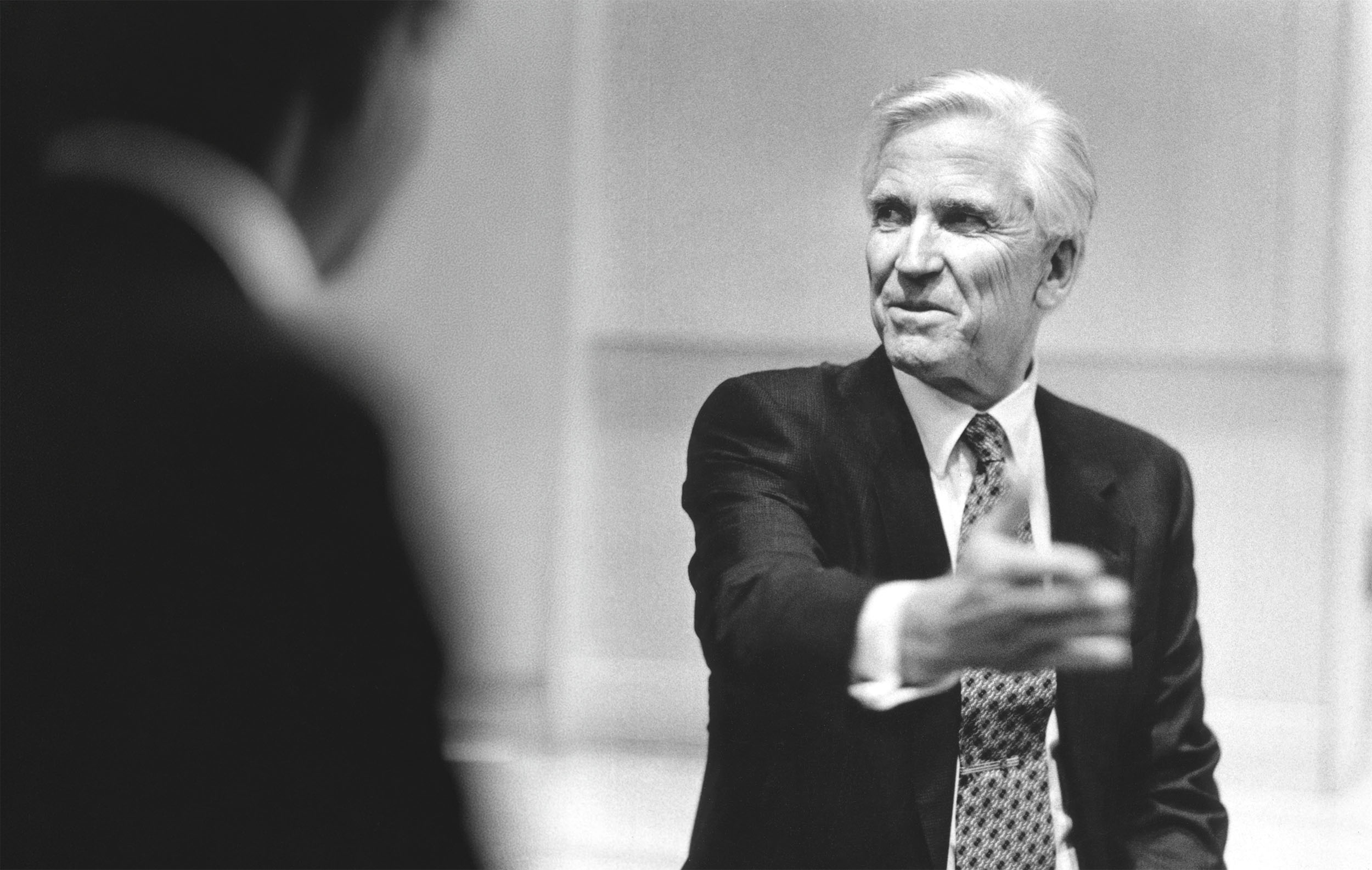
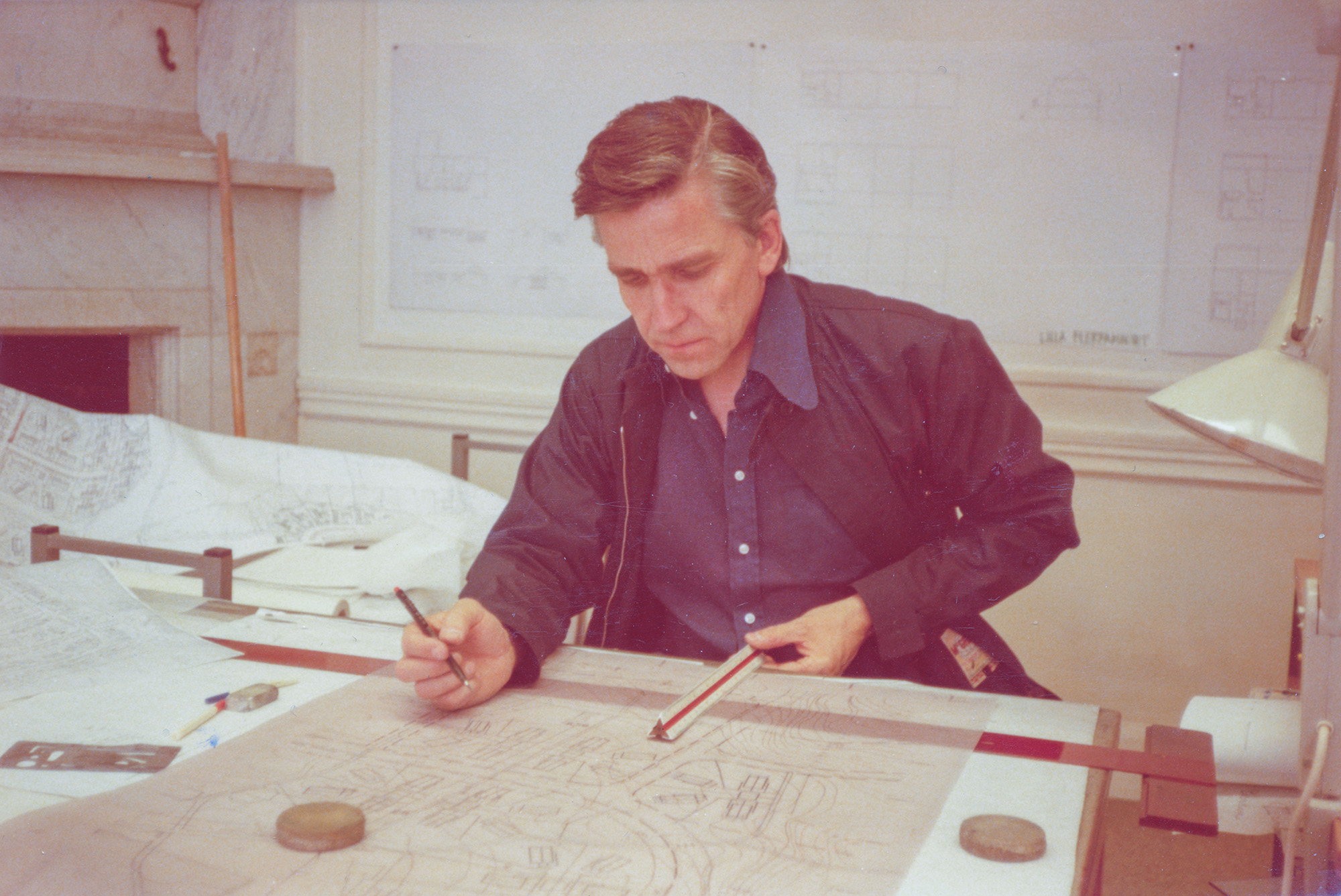
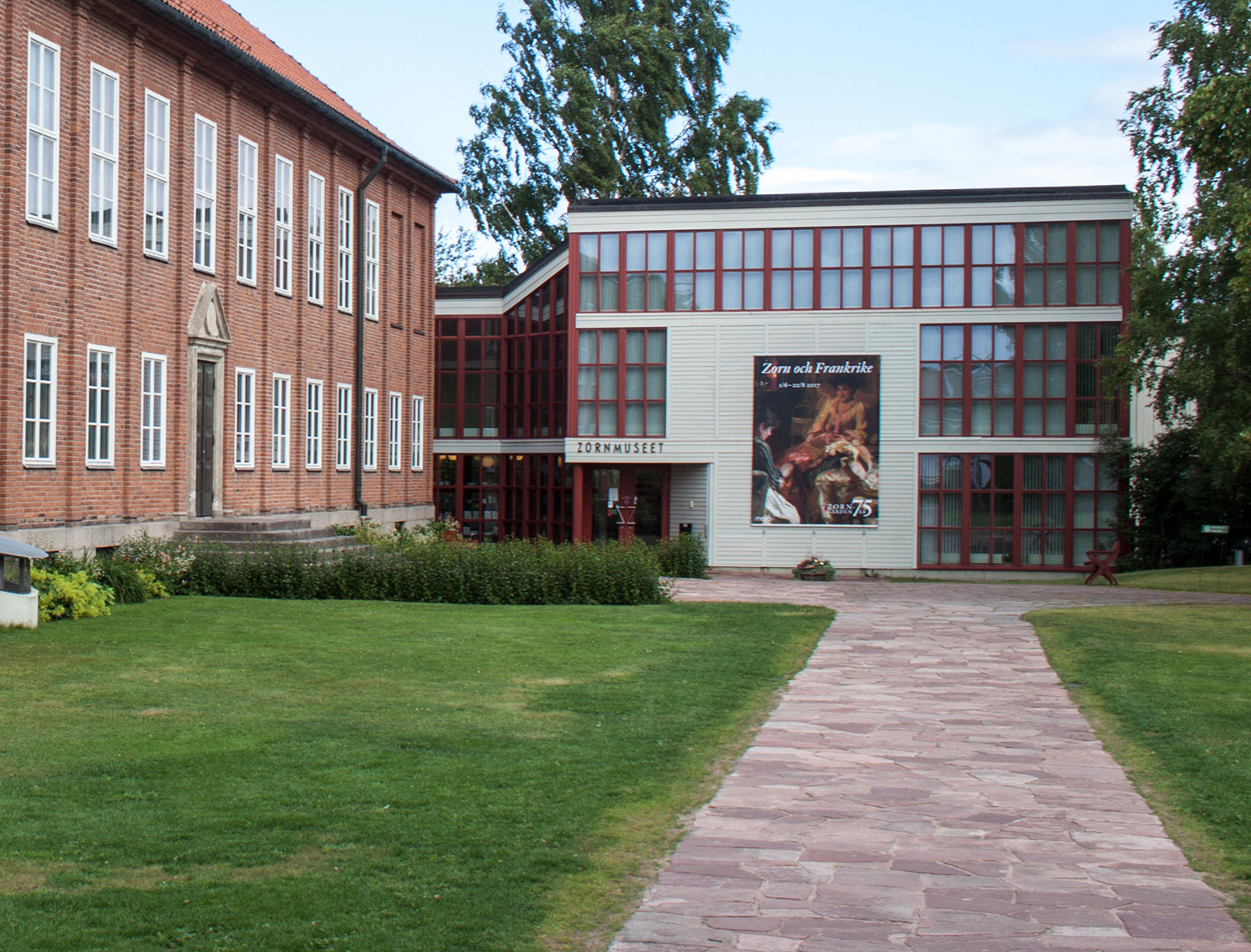
In parallel with his role as a business builder, Gunnar always carried with him a clear identity: he was basically an architect. Whatever the titles, architecture was both education, craft and driving force. The extension of the Zorn Museum in Mora is one of the examples that shows how architecture was never a parenthesis, but something he actively lived with throughout his life.
Gunnar was also an aesthete with a keen interest in contemporary art and a clear sense of form, wholeness and quality. That perspective colored both his work and his way of looking at entrepreneurship: long-term vision, care for detail and respect for competence. He also found great joy in collaborating with his children in various construction and architecture projects – as support, mentor and architect. Daughter Inger, a professional architect, has spoken warmly of the joy of the collaboration, and son Johan – also a trained architect – about being able to design his own residential building together with his father.
An architectural approach still characterizes Skirner's business: building over time, with structure, quality and people in focus. It is a legacy of Gunnar – a way of thinking and working that is still recognizable.
“Skirner's ambition is to see the world with Gunnar Nordström's gaze: with solid knowledge and a long-term holistic perspective. And that, as Gunnar used to say, trace in new snow – to embrace change, not get stuck in habitual ruts and dare to take steps even when The outcome is uncertain. It is courage, curiosity and innovation in practice.”
Pär Warnström, CEO Skirner
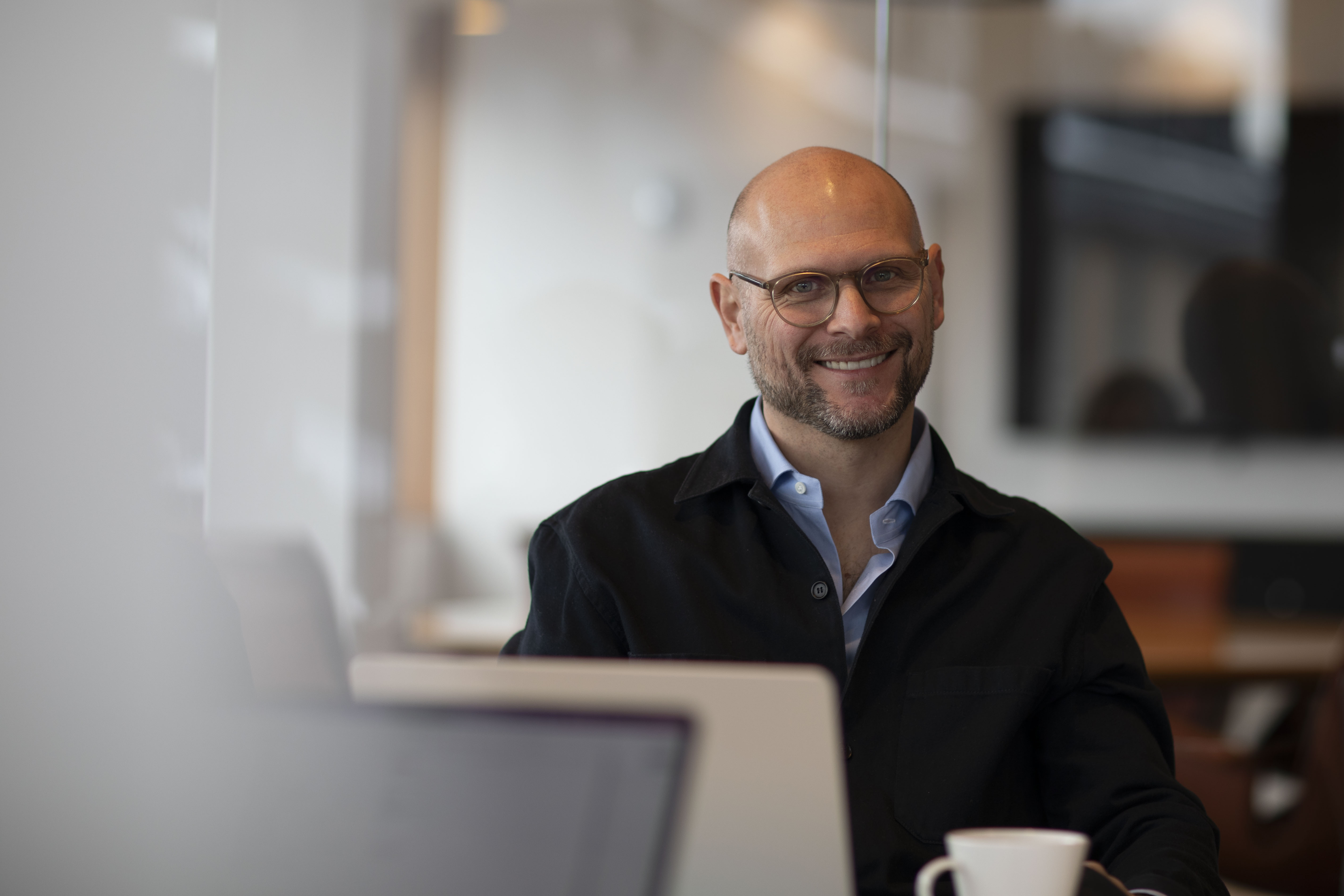
Albin Nordström, son of a farmer, founds a building firm in Boden. With him, an entrepreneurial journey takes shape — rooted in craftsmanship, responsibility, and an early drive to contribute to building society.
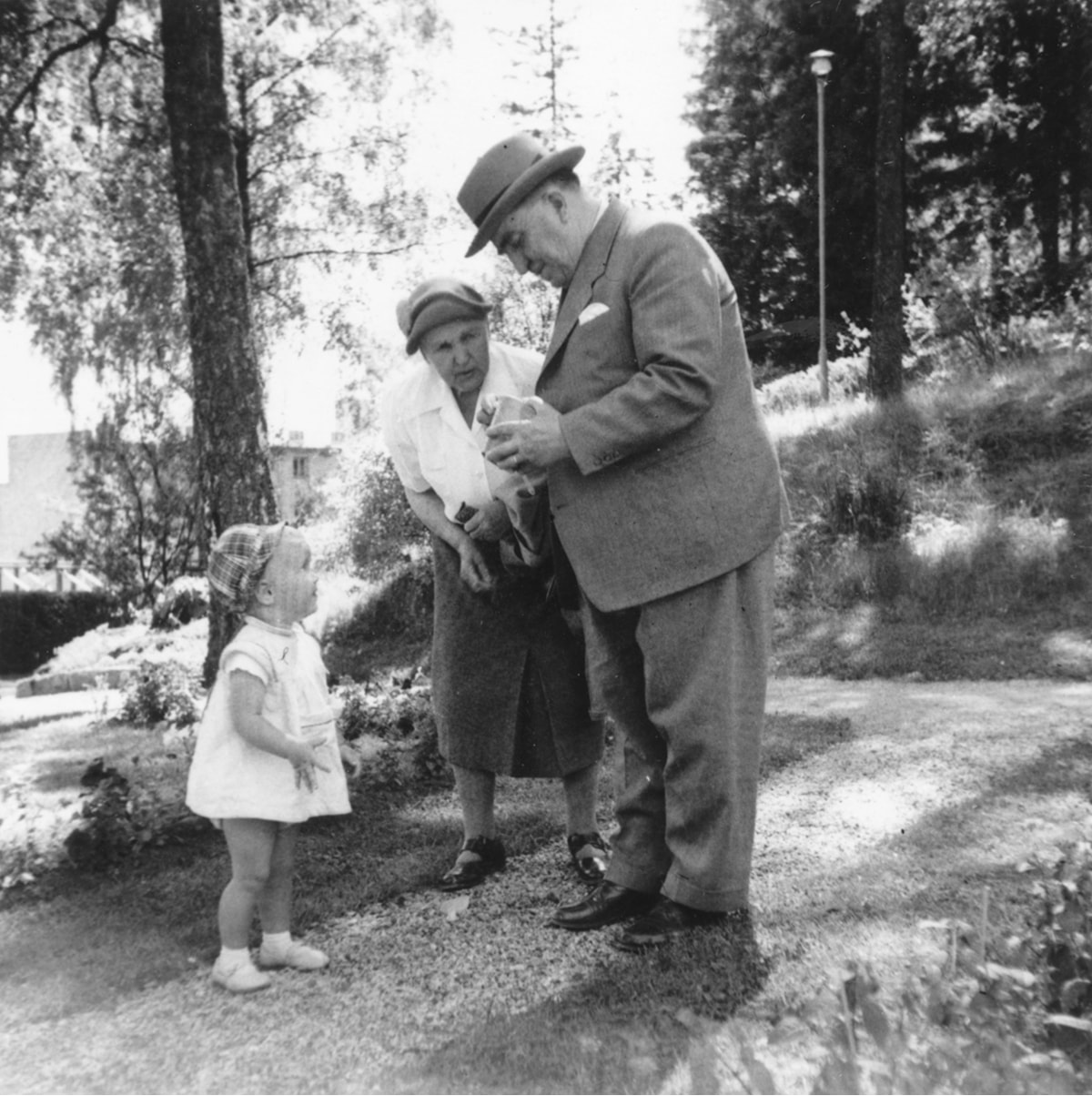
Shortly after completing his architectural studies, Albin's son Gunnar Nordström founds FFNS together with three partners. Rejecting the prevailing ideal of the architectural office as an artist's studio, they build a modern company — with structure, client focus, and ambitions for growth.
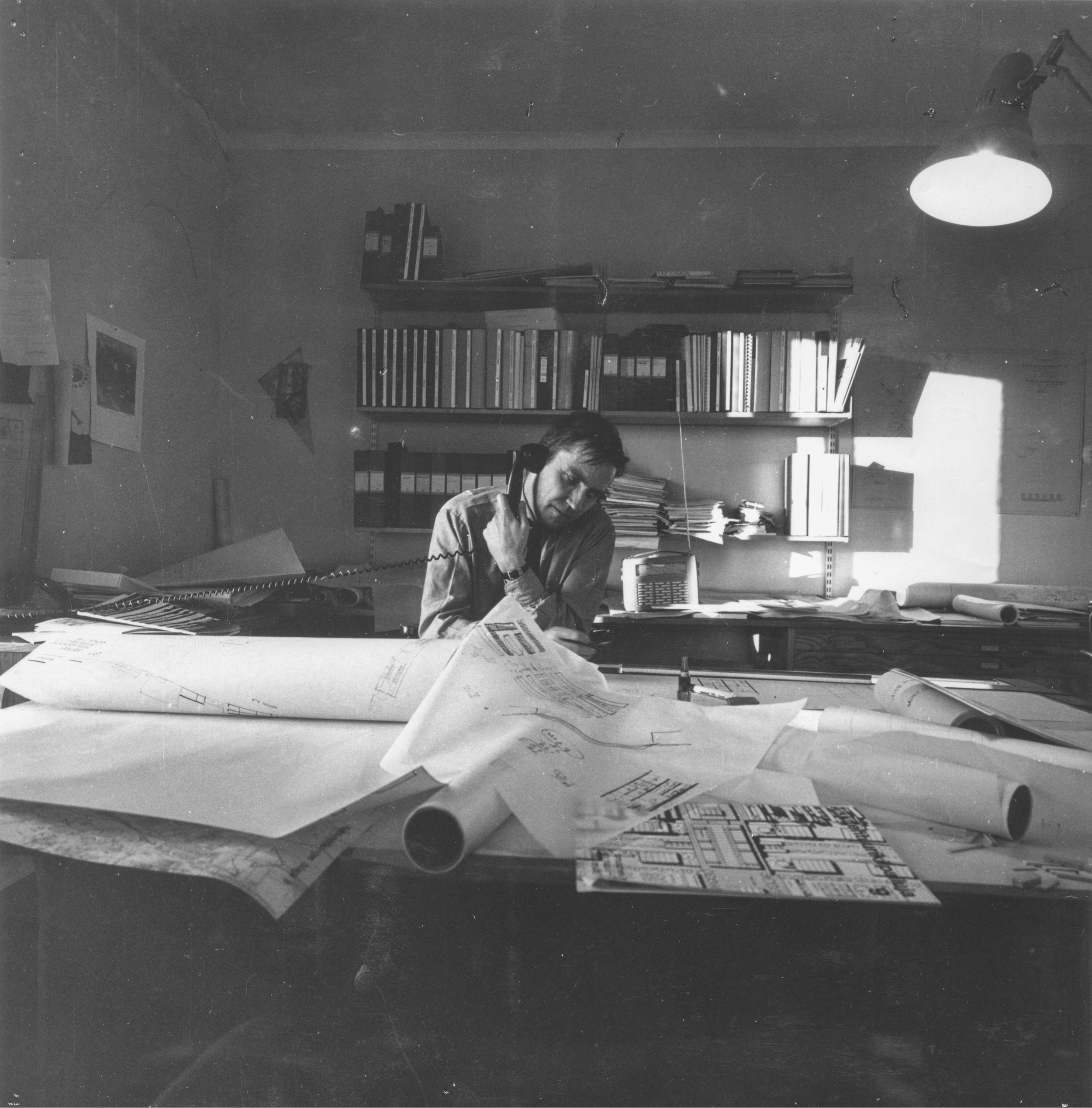
FFNS becomes the first Swedish architectural firm to be listed on the stock exchange. The listing marks a pioneering step for the industry and provides the company with resources to continue growing — toward the goal of becoming one of the Nordic region's leading architectural firms.
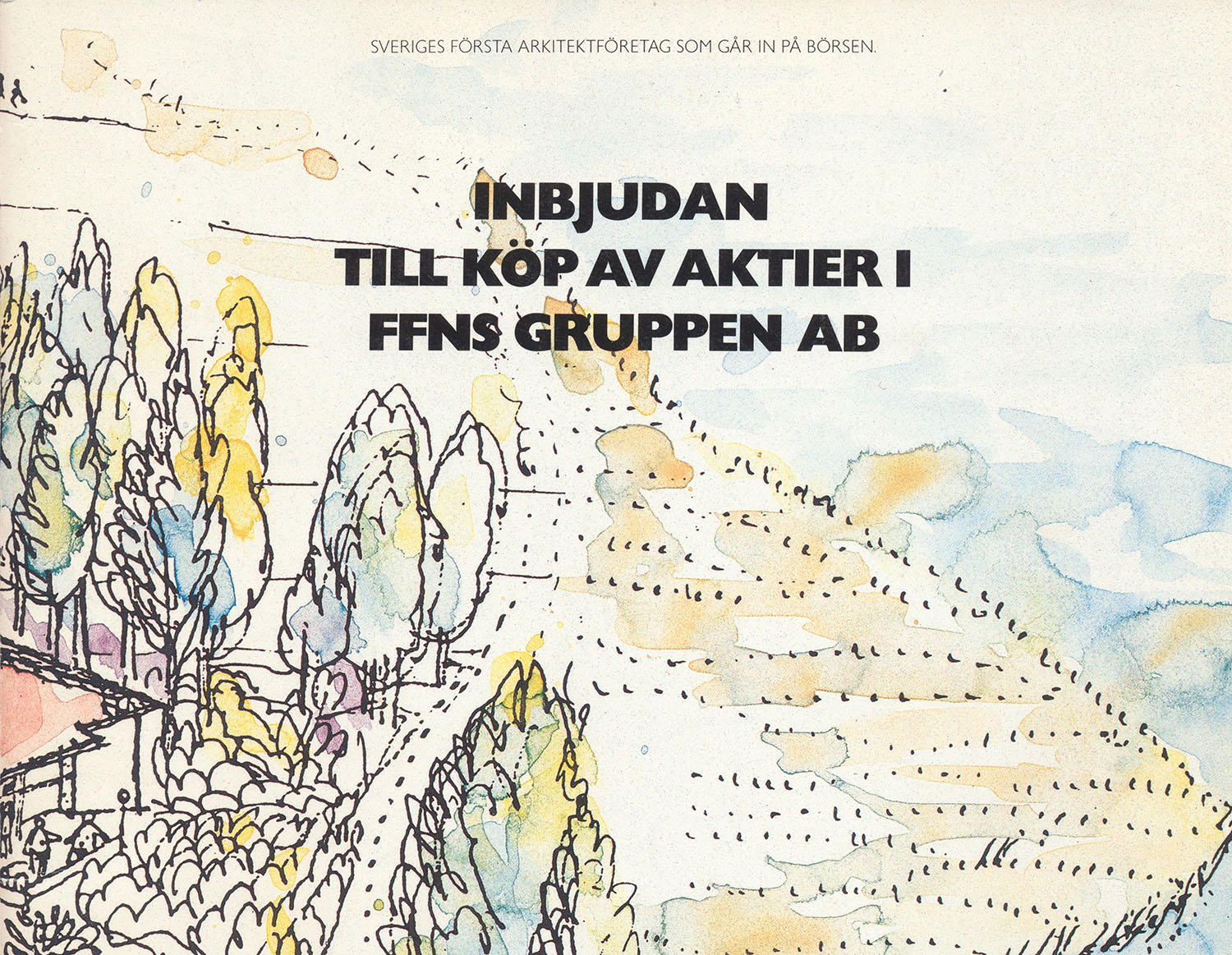
The Nordström family consolidates its ownership in the newly established family company Skirner, with Gunnar's son Johan Nordström as Chief Executive Officer.
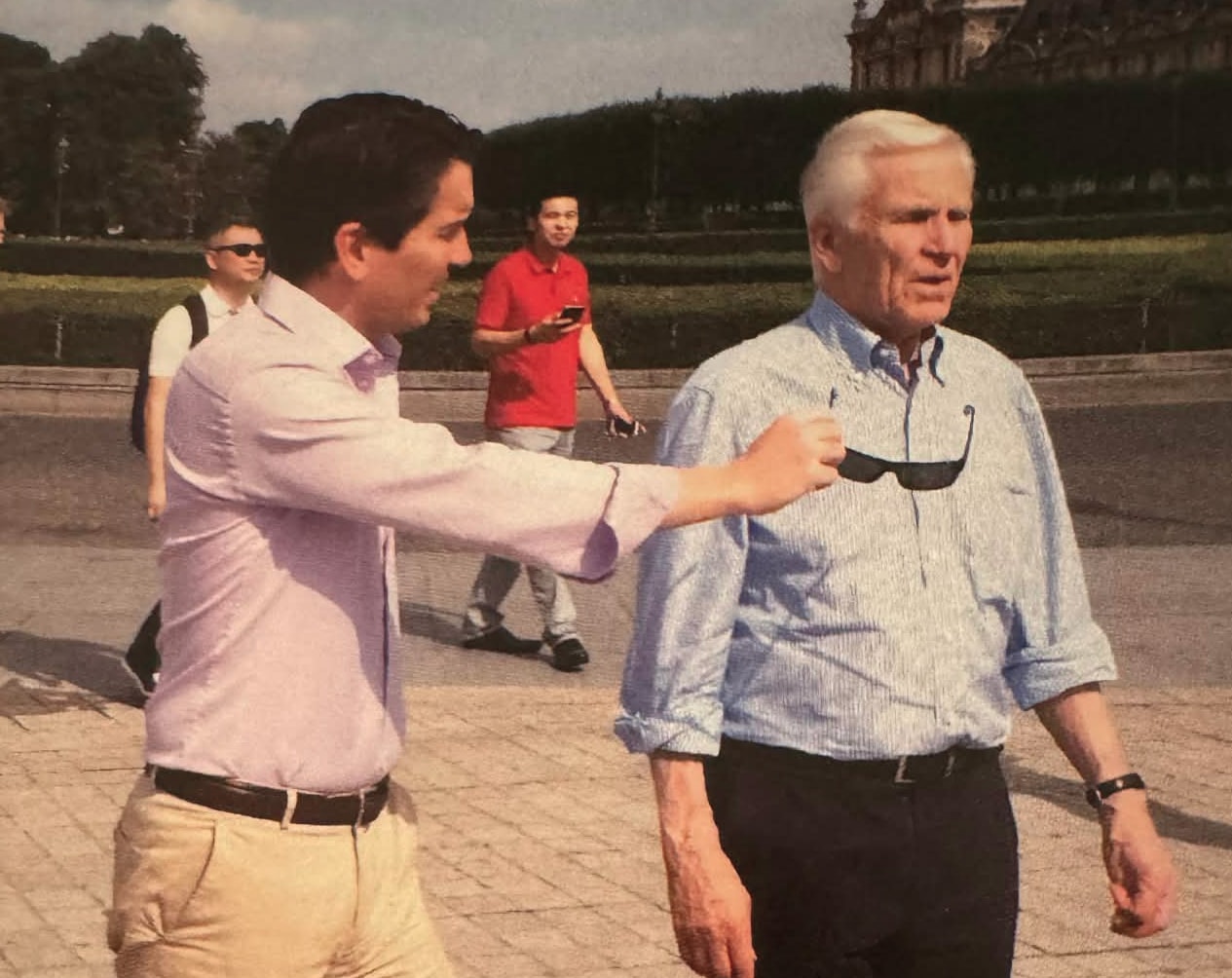
Under the leadership of Johan's older brother, Olle Nordström, FFNS acquires Vattenbyggnadsbyrån AB (VBB). The merger gives rise to Sweco — today Europe's leading consulting firm in architecture and engineering.
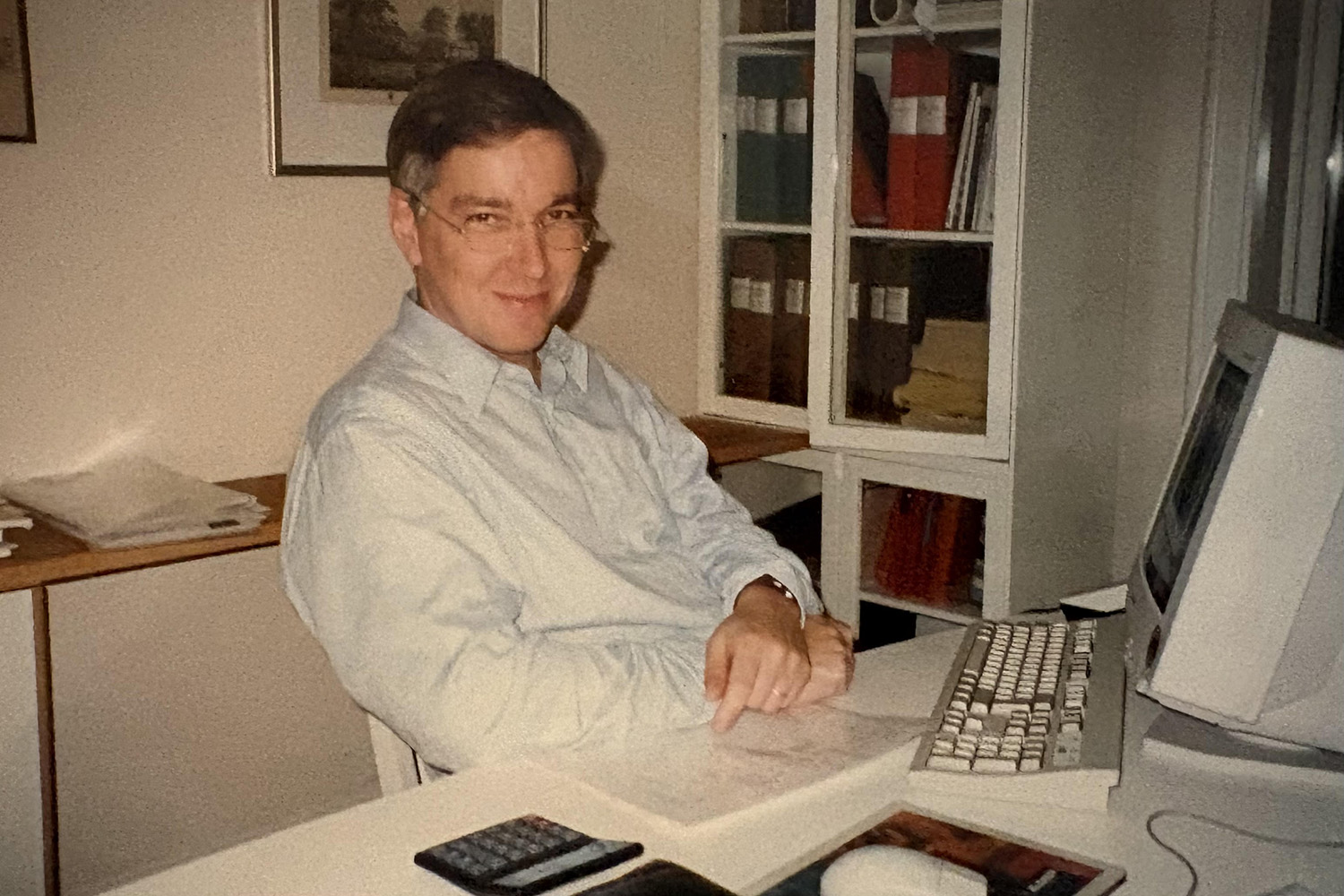
The built environment continues to form the foundation of Skirner, while the company's engagement has broadened to include both public and private holdings. Johan has served as Chairman of Sweco since 2014 and has succeeded Olle as Chairman of Latour. Skirner now stands ready for its next phase, with the ambition to add new pillars to the family business.

Skirner is the principal owner and co-founder of Sweco AB, Europe's leading consulting firm in engineering and architecture with 23,000 employees and sales of SEK 31.5 billion.
The family's and Skirner's ownership in the present Sweco dates back to 1958. The SWECO share is listed on NASDAQ OMX Stockholm.

Skirner AB
Box 5884
102 40 Stockholm
Grev Turegatan 19.5 tr
Stockholm